


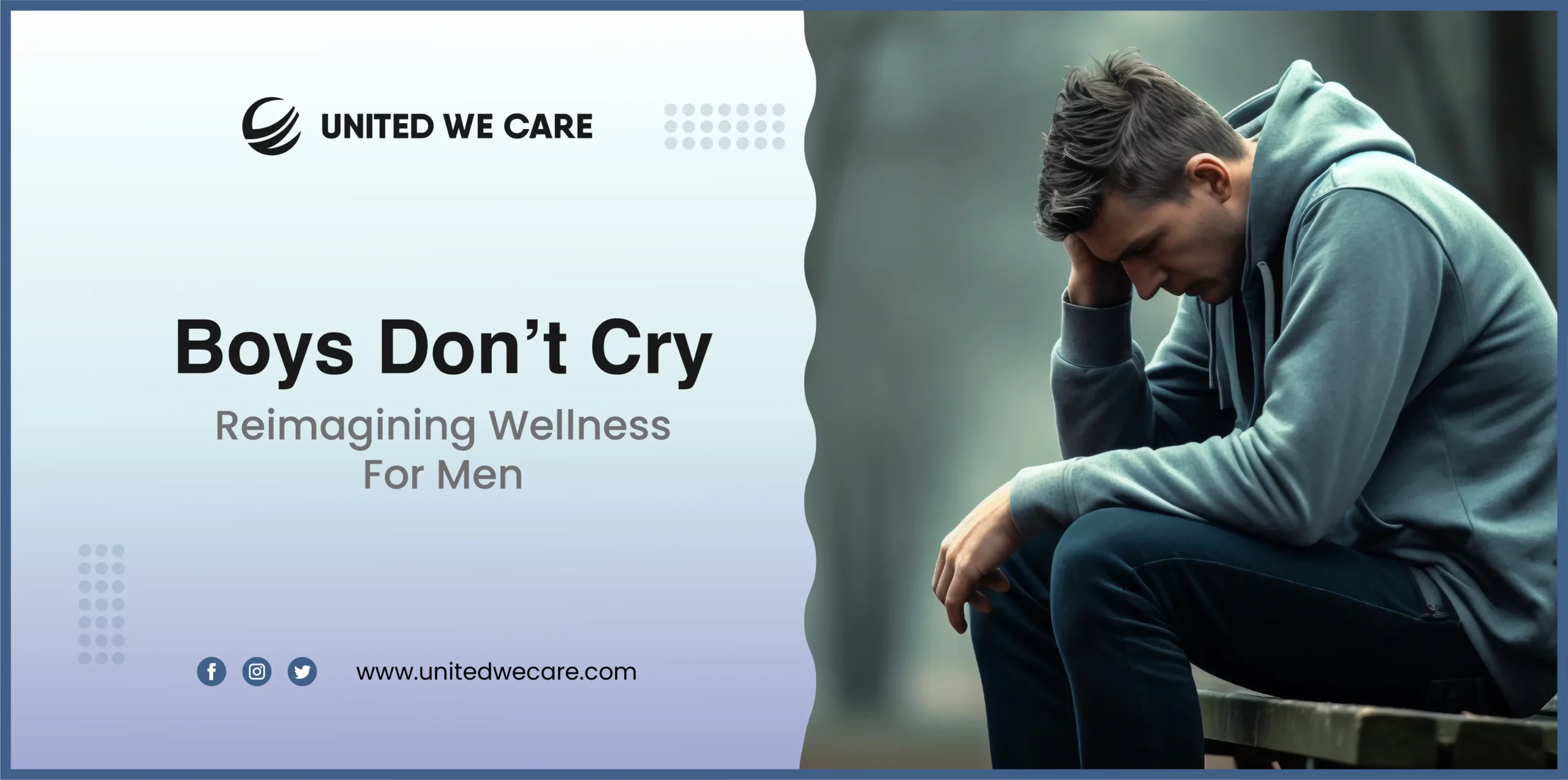
“I’m okay.”
“Just tired, that’s all.”
“I can handle it myself.”
Sound familiar? These aren’t just casual statements, they’re emotional armor. So many men grow up hearing they need to be tough, silent, and in control. But under that surface often lies pain, pressure, and loneliness. It’s time we talk about men’s wellness differently.
The Quiet Struggle No One Sees
Here’s something most people don’t realize: around the world, men are far less likely to reach out for help when it comes to their mental health. And yet, they’re more likely to die by suicide. Why is that?
At the heart of this lies mental health stigma in men. From a young age, boys are often told not to cry, to push through pain, and to “be a man.” This message then becomes part of how they see themselves. As adults, this can turn into suppressed emotions, isolation, and even burnout.
Men’s mental health isn’t just about crisis moments. It’s about everything leading up to them, the emotional bottling up, the stress we dismiss, the moments of panic we hide.
So, what if we stopped asking men to be strong and silent, and started inviting them to be strong and seen?
Why Don’t Men Seek Help?
Let’s break it down. Why do so many men struggle to open up or seek therapy?
1. The Stigma Is Real
Even now, many men believe asking for help makes them look weak. That’s mental health stigma in men at work. And it doesn’t just come from others, it’s internalized.
2. Confusing Strength With Silence
This idea that real men don’t cry? It’s outdated. Masculinity and mental health can and should go hand in hand. In fact, facing emotions head-on takes incredible courage.
3. They Were Never Taught How
Some men simply don’t have the emotional language to explain what they feel. They’ve been raised to ignore their inner world. Without the words, how do you even begin to talk?
4. Fear of Being Judged
Worried about being seen as “too emotional” or “not manly enough,” many men keep things bottled up. This fear blocks them from seeking men’s therapy, even when they need it most.
5. Pressure to Be the Rock
In many cultures, especially in South Asia, men are expected to be the providers, protectors, and problem-solvers. But when they struggle? There’s rarely space to admit it.
These cultural expectations, these masculine norms, keep the walls up. They tell men that vulnerability is dangerous, that emotions are shameful.
So, What Does Men’s Wellness Really Look Like?
Here’s the thing: Men’s wellness is not just about going to the gym or eating clean. It’s about what happens inside, emotional health for men is just as vital.
Imagine wellness that includes:
- Being able to say “I’m not okay”
- Taking breaks without guilt
- Building friendships where emotions aren’t taboo
- Having access to therapy for men that understands their lived experience
Let’s Talk About Men’s Self-Care
Now before you roll your eyes, Men’s self-care doesn’t have to mean bubble baths (unless you’re into that, no judgment). It’s about knowing when you’re stretched too thin and doing something about it.
That could mean:
- Taking time off when you need it
- Talking to a friend, a coach, or a therapist
- Saying “no” to things that drain you
- Journaling or just sitting with your thoughts
Self-care also means being honest with yourself. If suppressed emotions are turning into burnout, irritability, or even physical pain, that’s a sign it’s time to take care of your mind too.
Remember: Men’s self-care isn’t selfish. It’s survival.
How Do We Normalize Vulnerability in Men?
This starts with all of us. If you’ve ever told a boy to “man up,” even casually, you might be reinforcing mental health stigma. But the good news is, we can do better.
Here’s how:
1. Change the Script
Let’s stop praising emotional detachment as strength. Let’s start celebrating openness. If a man cries or shares something difficult, say: “That must’ve taken a lot to say. Thank you.”
2. Be the First to Share
When you talk about your own struggles, you create permission for others to do the same. Whether it’s with your son, your friend, or your coworker, go first.
3. Create Safe Spaces
Online or offline, we need spaces where men can talk freely. Peer groups, digital support circles, or anonymous communities can be game-changers.
4. Make Therapy Normal
Let’s normalize going to therapy like we normalize going to the gym. Platforms like United We Care are designed to help. They offer confidential, culturally-sensitive therapy for men, so that support is just a click away.
United We Care’s Stella is a digital platform committed to creating accessible, stigma-free mental health care. It helps connect with trained professionals who understand the unique challenges.
What it includes:
- One-on-one online therapy sessions
- Modules on stress, anger, burnout, and identity
- Culturally aware support, especially for men who’ve grown up in environments where emotions were suppressed
No judgment. Just support. That’s what Men’s wellness needs more of.
Why It’s Time to Redefine Masculinity
Here’s a radical idea: strength is not about shutting down. It’s about showing up. Real masculinity includes the ability to say, “I’m not okay,” and ask for help.
Masculinity and mental health do not contradict each other. In fact, emotional awareness makes for better leaders, partners, and friends.
Let’s teach our boys that crying is not weakness, it’s regulation. Let’s teach our men that asking for help is not failure, it’s wisdom.
If you’re a man reading this, or you know and love one: you deserve space to feel. You deserve care. And you are not alone.
Men’s mental health, Men’s wellness, and emotional health for men aren’t soft topics, they’re survival tools.
Let’s create a world where men and emotions go hand in hand. Where masculine norms shift to make space for healing. Where vulnerability isn’t the exception, but the expectation.


