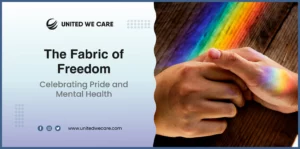
Each June, as rainbow flags unfurl across cities and communities in celebration of Pride Month 2025, we’re reminded of the resilience, beauty, and strength of the LGBTQ+ community. But while the world watches the parades and the glitter flies in celebration of LGBTQ+ pride, it’s important to look beyond the rainbow, to the realities many queer individuals quietly endure year-round.
Because pride is powerful. But it doesn’t erase pain. And in the fight for equal rights and dignity, mental health and pride must walk hand in hand.
The Hidden Crisis: LGBTQ+ Mental Health
While Pride Month brings celebration and visibility, it also brings into focus an uncomfortable truth: LGBTQ+ mental health disparities remain alarmingly high.
- LGBTQ+ youth are more than four times as likely to attempt suicide compared to their non-LGBTQ+ peers (The Trevor Project, 2023).
- Nearly 70% of LGBTQ+ individuals report experiencing symptoms of anxiety or depression, compared to just 37% of the general population (KFF, 2022).
- Transgender adults are nearly nine times more likely to report serious psychological distress than cisgender adults (UCLA Williams Institute, 2021).
These statistics aren’t just numbers but they represent friends, siblings, students, coworkers. And far too often, they represent stories that end too soon.
“We are not inherently broken. Our struggles come from living in a world that often refuses to see or support us.”
— Laverne Cox, Actress & Advocate
Pride Month 2025: Celebration with a Purpose
Pride Month 2025 is not just a time for visibility, it’s a time for vulnerability and validation. While we march, post, and wear our rainbow gear, let’s not forget the many who feel invisible, even during pride.
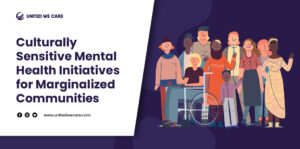
For some, Pride celebrations can be overwhelming or even alienating. Individuals from conservative families, closeted youth, or those who face racial or socioeconomic barriers may feel excluded from mainstream pride narratives. That’s why supporting LGBTQ+ mental health means acknowledging the full spectrum of experiences, especially those that go unseen.
The Power of Affirmation and Allyship
Supporting LGBTQ+ mental health starts with the simplest and most powerful act: listening.
According to The Trevor Project (2023), just one accepting adult can reduce the risk of suicide for LGBTQ+ youth by 40%. That’s the power of affirmation.
True allyship means creating safe spaces where LGBTQ+ individuals feel genuinely valued, not merely tolerated. It involves normalising the use of pronouns and gender-inclusive language in everyday interactions, showing respect for each person’s identity. Being an ally also means checking in with LGBTQ+ friends beyond Pride Month. Support should be consistent, not seasonal.
Finally, true allyship requires actively advocating for inclusive and accessible mental health care that recognises and affirms the unique challenges faced by the LGBTQ+ community.
What Mental Health Support Should Look Like
To truly make a difference, mental health support for LGBTQ+ individuals must be:
- Accessible: Remove financial, geographic, and systemic barriers to affirming therapy.
- Affirming: Mental health professionals must be trained in LGBTQ+ cultural competence.
- Ongoing: Pride isn’t a seasonal campaign. Neither is care.
Initiatives like peer-led support groups, telehealth therapy for LGBTQ+ youth in rural areas, and employee resource groups (ERGs) are steps in the right direction. But we need more.
Beyond Pride: A Daily Commitment
The glitter fades, the parades end, and corporate rainbow logos revert to grayscale. But for LGBTQ+ individuals, the need for safety, support, and mental wellness continues long after June.
Supporting LGBTQ+ mental health is not just about crisis intervention. It’s about daily compassion. It’s about choosing to be the reason someone feels seen, heard, and hopeful.
“The opposite of queer trauma is queer joy. And joy is radical when the world tells you not to exist.”
— Jeffrey Marsh, Advocate
Final Words
This Pride Month 2025, let’s move beyond performative allyship. Let’s build a world where queer people can thrive, not just survive. Let’s celebrate the joy, but also honour the struggle. Because every LGBTQ+ person deserves not just to be proud, but to be well.
You are not alone. You are loved. And you are enough.
If you or someone you know needs support, reach out to these resources:
- The Trevor Project – 24/7 crisis support for LGBTQ+ youth
- Trans Lifeline – Peer support by and for trans people
- LGBT National Help Center
References
- Kates, J., Dawson, L., Horn, A., & Venkataramani, M. (2022). Mental health and the LGBTQ+ community. Kaiser Family Foundation (KFF). https://www.kff.org
- The Trevor Project. (2023). National survey on LGBTQ youth mental health 2023. https://www.thetrevorproject.org/survey-2023
- UCLA Williams Institute. (2021). Transgender mental health disparities. https://williamsinstitute.law.ucla.edu/publications/transgender-mental-health-disparities/